Most professional women are not spending too little on their work wardrobe. They are spending without a plan, and that is where the real problem lives. If you have ever stood in front of a full wardrobe and felt like you had nothing to wear, this guide is for you.
What I See When I Open a Client's Wardrobe for the First Time
When a client comes to me for a Complete Wardrobe System, one of the first things we do together is go through everything they own. And what I find, almost every single time, tells me a lot about how they have been shopping.
There are usually plenty of pieces in there. But a lot of them do not make sense together. Bought in a rush, just to have something to wear, without really thinking it through. Something that ticked one box but not the rest. Something they were never quite sure how to style, so it just sat there. And then came the guilt, the quiet shame of looking at a full wardrobe and feeling like you have wasted money on things you never actually wear.
On the other side, I also work with women who come to me with almost nothing, usually after a significant body shape change. The wardrobe looks completely different but the problem is exactly the same. Nothing to wear.
Both situations come down to shopping without a strategy.
The Difference Between Buying a Wardrobe and Building One, and Why It Matters for Your Bank Balance
Buying a wardrobe is picking up random items without really thinking about how they will work together. Building a wardrobe is thoroughly constructed with a plan and a strategy in mind.
Here is the analogy I always use. You would not go to the supermarket, grab random ingredients off the shelf with no idea what you want to make, and then wonder why dinner did not turn out. You need to know what recipe you are making first. You need to know which ingredients you need. Shopping for your wardrobe is exactly the same. If you go in blind, grabbing things that look nice and hoping they will work together, you are setting yourself up for a cycle of wasteful spending that never really ends.
When I build a wardrobe with a client, we think about everything. What suits their body shape. What suits their colouring. What colour palette will mix and match beautifully across multiple outfits. What the key foundational pieces are. What statement pieces will add personality and signature style. And critically, how the whole wardrobe reflects who they actually are right now.
That last part matters more than most people realise. A lot of our wardrobe is tied to our identity. If the clothes do not reflect how you want to be seen, there will always be a disconnect. You will keep reaching for the same two outfits you feel comfortable in and ignoring everything else, not because the other pieces are wrong, but because they do not feel like you.
People outgrow their wardrobes all the time and it is not always about size. It happens after a new job, a promotion, a move, a baby, any kind of significant growth or change in life. I have had seasons in my own life where I dressed much more femininely because that felt aligned with where I was. In recent years, as I have stepped into more leadership and corporate work, I have naturally moved toward something more structured. Not because I stopped loving femininity, but because how I needed to show up shifted. There is no right or wrong in any of this. It is about making sure your wardrobe reflects who you are today, not who you were five or ten years ago.
If you are unsure whether your wardrobe is keeping up with where you are professionally, this post on why your wardrobe might not be matching your career stage is worth reading alongside this one.
The Pieces Worth Genuinely Investing In
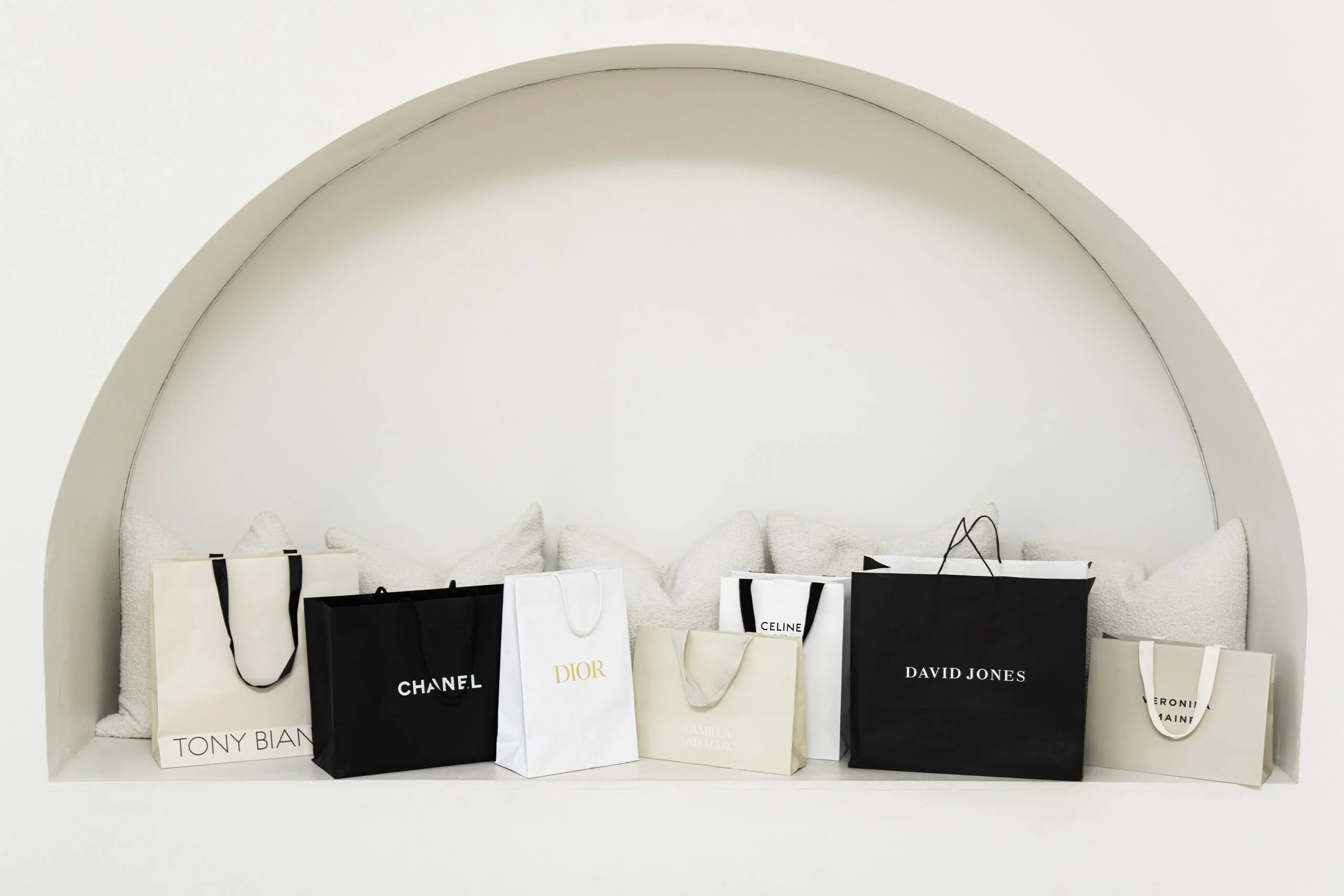
The rule I always come back to is simple: invest most in the pieces you will wear most. Think honestly about cost per wear, not just price tag. A quality blazer you wear three times a week for three years costs you far less than a cheap one you replace every few months.
- Blazers and suits. A well-constructed blazer or suit in a colour you love and will wear constantly is one of the best investments you can make. The tailoring, the shoulder, the way it holds its shape over time, all of it shows. For more on how to style a blazer across different professional contexts, see my guide on what to wear to a board meeting.
- A coat or trench coat. If you feel the cold a lot in winter, it is definitely worth investing in a beautifully made coat. Or if you don't feel the cold as much in the cooler seasons, a trench coat could be a great alternative that is equally worth the investment. Either way, outerwear is something you are putting on every single day in the cooler months, which makes it one of the highest cost-per-wear pieces you can own.
- Work trousers. A really good quality pair in a neutral you love, worn on rotation, will always be worth the spend.
- Shoes and boots. Quality leather elevates everything it is worn with and lasts significantly longer. Look for structured leather rather than very thin soft leather which tends to fall apart faster. Clean, polished, quality footwear is one of the details people notice more than you would expect.
- A leather bag. If you carry a bag every day, a well-made leather bag lifts your whole look without you having to do anything else.
- Knitwear. Merino wool and cashmere are beautiful investments with one condition: you have to be willing to care for them properly. Wool washing, air drying, storing folded. If that is not you, get a cotton linen blend instead. Spend the money and then ruin it in the wash and you will only feel worse about it.
- Earrings. Cheap coated metal earrings go off within months. Invest in proper sterling silver or gold-filled pieces that last and will not react against your skin.
- A rotation dress. It does not have to be expensive, but a well-chosen dress that crosses over between work and smart casual is incredibly versatile. What I would avoid spending a lot on is event dresses. Most women wear them once and never again because they associate the dress so strongly with that occasion that it never feels relevant to pull out again.
- That one piece that is completely and uniquely you. A top or blazer in your favourite colour, a beautiful printed skirt, a statement jacket that makes you feel incredible. These are the pieces that take an outfit from polished to memorable.
How Much Should You Actually Budget?
More than most women expect, and that is not me trying to get you to spend more for the sake of it. It is just the reality of building something that lasts.
Autumn and winter wardrobes cost significantly more than spring and summer ones. Beautiful knitwear, quality coats, wool trousers, leather boots: these are all investment-heavy categories. A summer wardrobe of linen dresses, light jackets, and sandals is a very different financial conversation.
If you are serious about levelling up your professional style and wearing pieces that will genuinely last, I would recommend budgeting somewhere between $8,000 and $20,000 depending on where you shop and how many areas of your life you are covering. These are not one-season pieces. They are built to last years.
What I will say clearly: I do not recommend shopping at fast fashion retailers for your professional wardrobe. Cheap fashion falls apart faster and can genuinely affect how people receive you in a leadership context. Research from the Journal of Experimental Social Psychology has shown that clothing significantly influences how others perceive competence and authority. Showing up as a leader in an outfit that looks low quality cheapens your presence regardless of how good you are at your job.
When you work with me, the goal is always versatility. We are not buying pieces that only work in one context. We are building a wardrobe where everything crosses over, mixes and matches, and works across different areas of your life so that every dollar you spend is doing as much work as possible. You can read more about how that process works on my Complete Wardrobe System page.
What a Well-Built Wardrobe Actually Gives You Beyond the Clothes
When your wardrobe works, you stop thinking about it. You get dressed in the morning feeling self-assured rather than stressed. You are not adjusting things that do not sit right, not second-guessing whether you look okay, not burning mental energy on an outfit that was never going to feel right.
As a leader you are making hundreds of decisions every single day. Your wardrobe should not be one of them. According to research on decision fatigue, the more decisions we make throughout the day the more mentally depleted we become. Removing wardrobe decisions from your morning is not a luxury. It is a practical performance advantage.
When you have quality pieces that fit properly, work together, and genuinely feel like you, getting dressed stops being a daily source of stress and sets the tone for your day instead. And financially it is straightforward: a quality piece that lasts three years costs you far less than a cheaper piece you replace every three months. Buy it properly once, care for it well, and let it do its job.
Frequently Asked Questions
For a quality professional wardrobe built to last, I recommend budgeting between $8,000 and $20,000 depending on where you shop and how comprehensive the build is. Autumn and winter wardrobes cost more due to knitwear, coats, boots, and wool trousers. Think long-term: quality pieces bought intentionally will always cost less over time than cheap pieces bought repeatedly.
The pieces worth the most investment are the ones you will wear most often: blazers and suits, quality work trousers, leather shoes and boots, a good leather bag, knitwear if you will care for it properly, and at least one signature piece that feels completely and uniquely you.
Event dresses, trend pieces you will only wear for one season, and basic cotton T-shirts are all areas where a lower price point makes sense. Event dresses in particular are rarely worn more than once so a significant spend is hard to justify.
Shopping without a strategy. Buying pieces that look nice individually but do not work together, without a clear plan for what outfits you are building, results in a full wardrobe with nothing to wear and a quiet accumulation of guilt around wasted spending.
Buying is reactive and random. Building is strategic and intentional. A built wardrobe starts with a clear picture of your body shape, colouring, lifestyle, personal style, and budget, and works outward from there. Every piece has a reason for being there and works with multiple other pieces across multiple contexts.
Yes, and not just for the style outcome. A good stylist saves you money by helping you stop making purchases you will regret, builds a wardrobe that is genuinely versatile and flattering, and removes the daily mental load of not knowing what to wear. The return on investment goes well beyond the clothes. It shows up in how you carry yourself, how you feel walking into a room, and how confident you feel in your professional life.