Knowing how to present yourself in important meetings, where your image and your presence matter, is not just about looking good and polished. It's about really reflecting who you are as a person, your values, your professionalism, and the level that you operate at.
In today's ever-growing world where relaxed dressing is the norm, you still need to present in a way that conveys trust and authority, especially in high-stakes meetings. No one really takes you seriously when you don't show up looking like you care. And when you do show up looking intentional, you send a very clear message: that your team, your clients, and the people in that room matter.
There's also something that happens internally when you dress with more intention. Sometimes when we wear more assertive options, it can lift our confidence subliminally. You feel more settled, more self-assured, and that carries into the room before you've said a single word.
Why Getting Your Board Meeting Outfit Right Actually Matters
Getting the right outfit formula ready for your board meetings is essential for three reasons:
- You're not falling apart in the mornings trying to figure out what to wear, so you start your day feeling self-assured
- You save your brainpower for the most important thing: speaking or listening to feedback in the meeting itself
- You're not constantly having to adjust or fix your outfit, because that conveys uncertainty and sometimes anxiousness
These might sound like small things. They're not.
My Go-To Formula: The Blazer
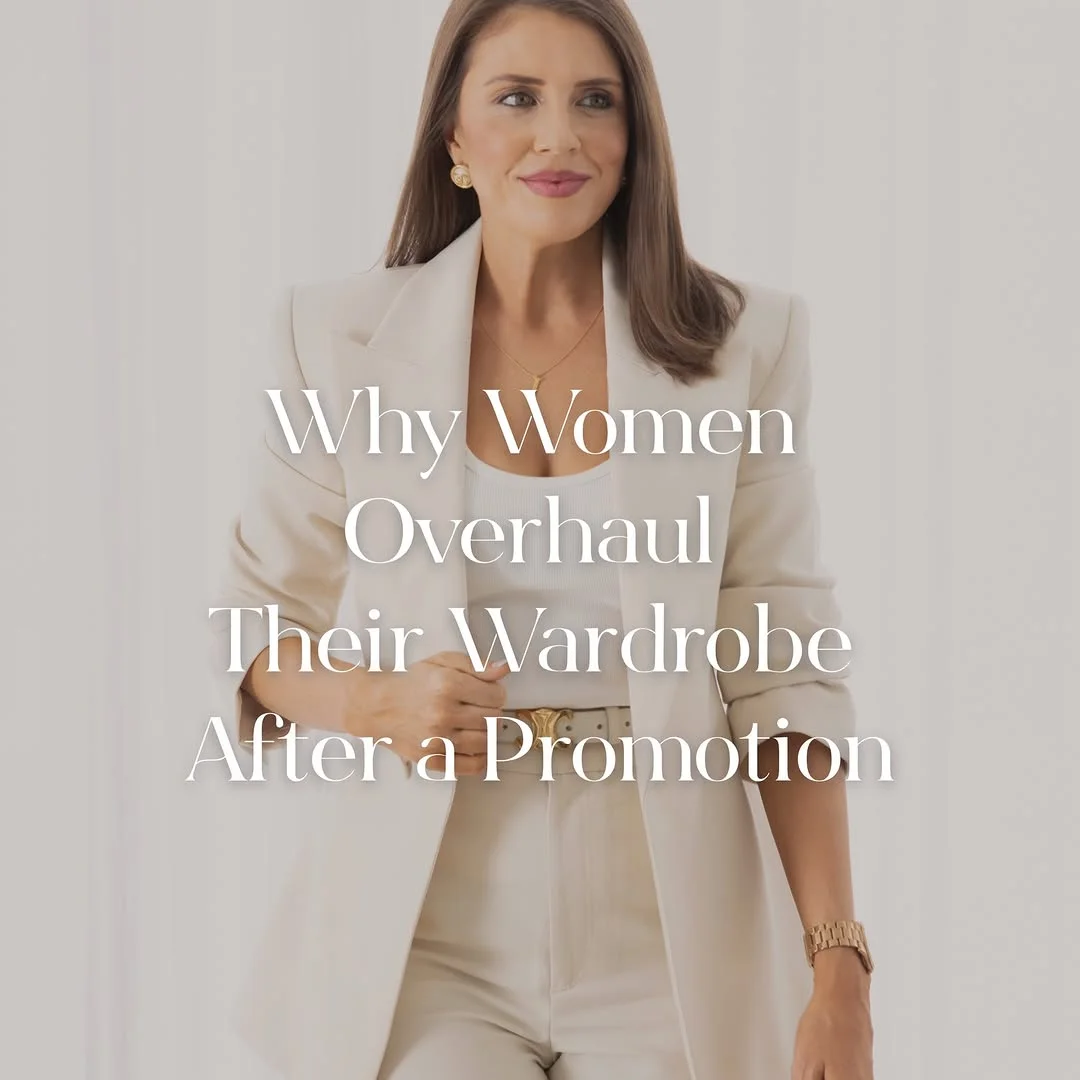
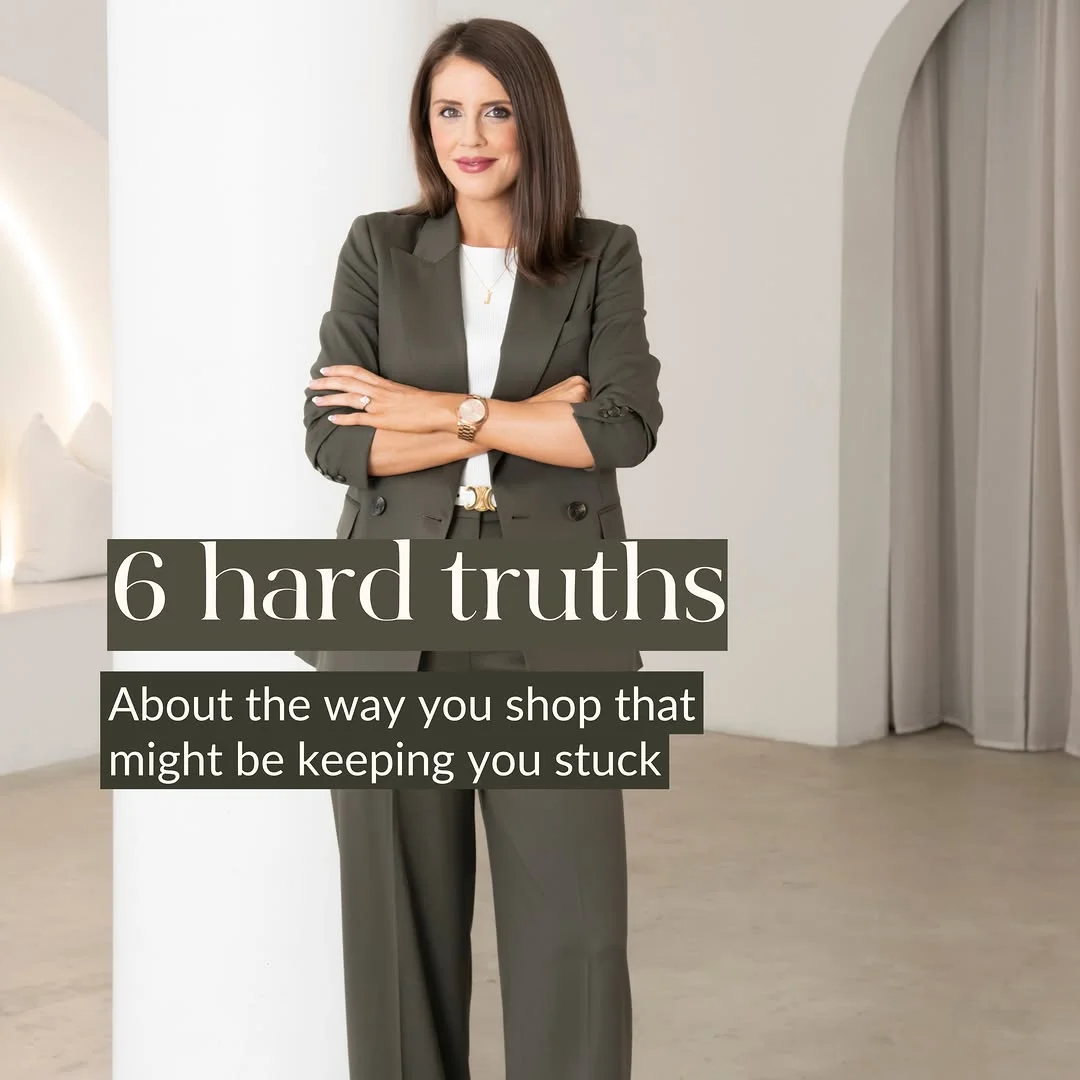
Blazers are one of my go-tos for board meetings because a structured shoulder blazer carries a level of authority and professionalism that very few other pieces can replicate.
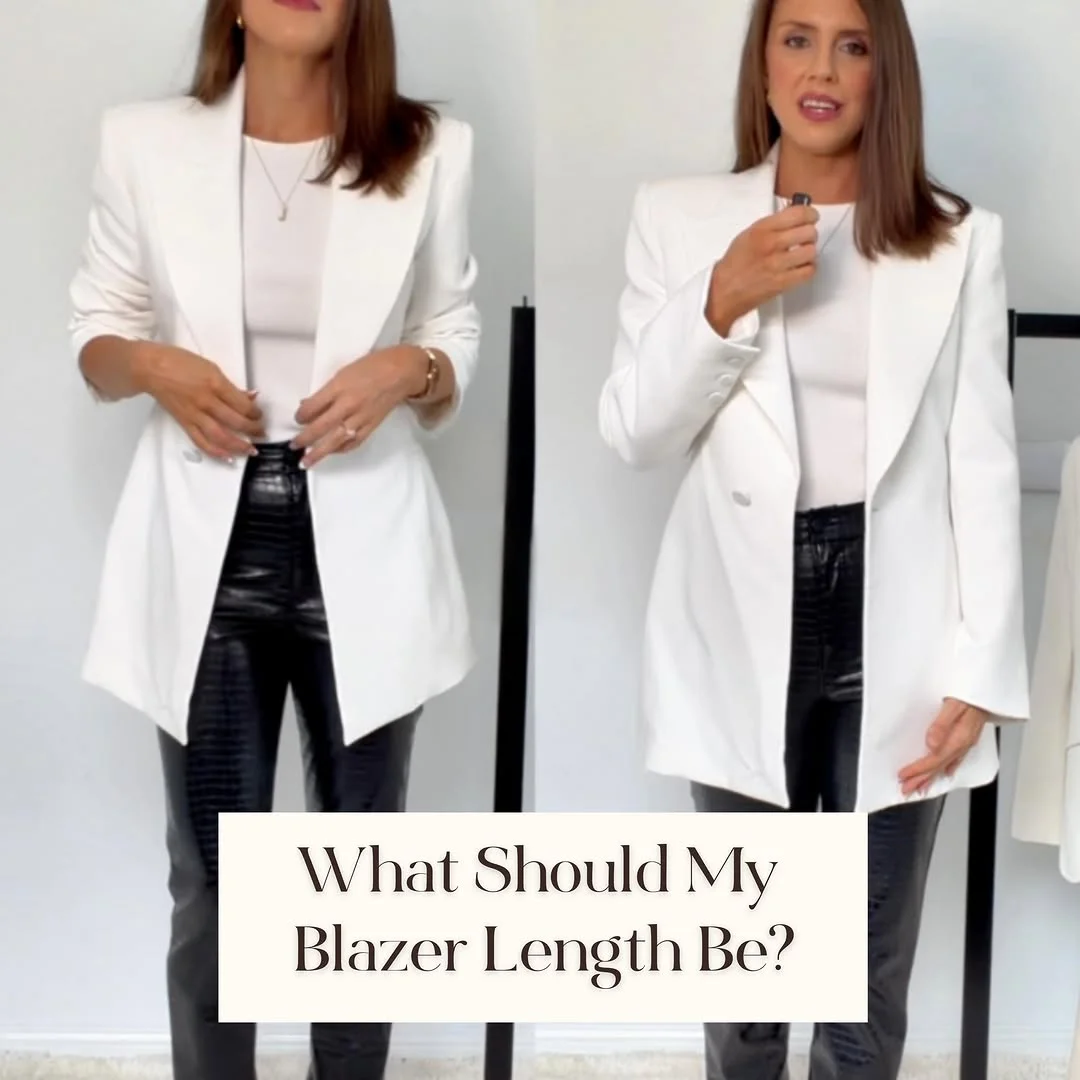
The tailoring and fit is probably the most important thing to get right with blazers because nothing speaks louder than one that doesn't fit properly, especially around the shoulder, the bustline, and the waistline.
A frumpy, oversized blazer that sags in the wrong parts and drops off the shoulder looks sloppy and untidy. But on the flip side, a blazer that's too tightly fitted screams uncomfortable, not just for you, but for the person looking at you. If it's restrictive across the shoulder or bust, it can actually restrict the way you present, your movements, and make you feel uptight rather than relaxed when you're speaking.
Fit is everything. It is the thing above all else.
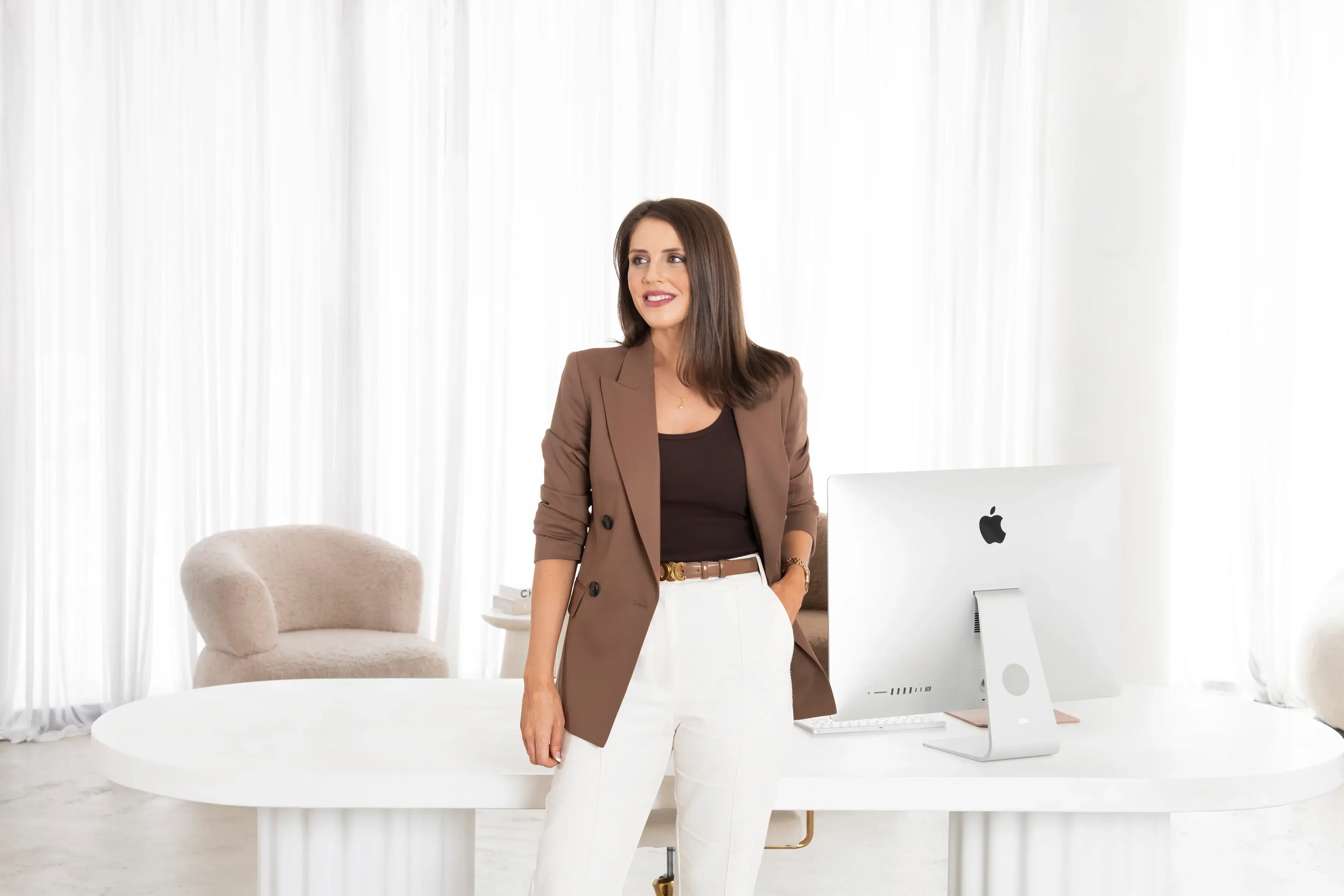
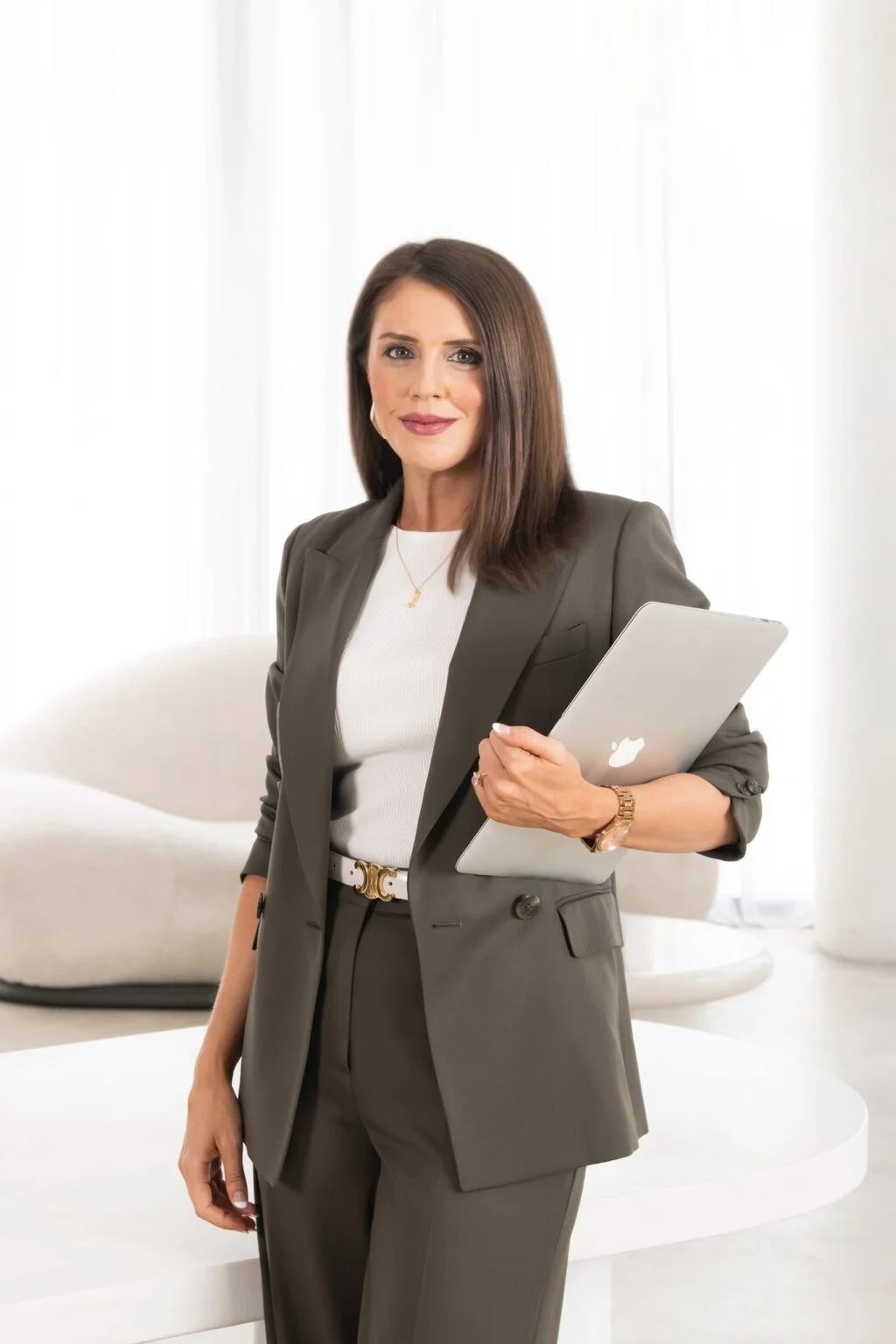
If you want to invest in one thing that will serve you for years and be a go-to meeting outfit: a tailored suit that fits you perfectly. If you're in a leadership space and you're in high-visibility situations often, a suit that is sharp, polished, and beautifully fitting on your shape says everything. You can mix and match the jacket and the trousers too, which makes it incredibly versatile.
Pair it back with a t-shirt, a lightweight knit, a shirt or a blouse and sneakers, heels, flats or boots.
And please, if you want to be a little less safe and boring, try something other than just black.
Structure Is Your Friend
Anything that is structured in shape will convey a level of authority. Think:
- A V-neck, which is an angular cut that reads as sharp and intentional
- A tailored trouser with a clean, oblong line
- A pencil skirt or pencil dress
When it comes to board meeting style, you generally don't want the outfit to feel too overly girly, busy or distracting. It's not that femininity is a bad thing at all, because it can actually be incredibly powerful, but in these kinds of environments you usually want the focus to stay on your presence, what you're saying and how you carry yourself. I find that when there's too much pattern, overly playful details or lots going on in an outfit, it can sometimes take away from the overall message. Less is usually more in these settings.
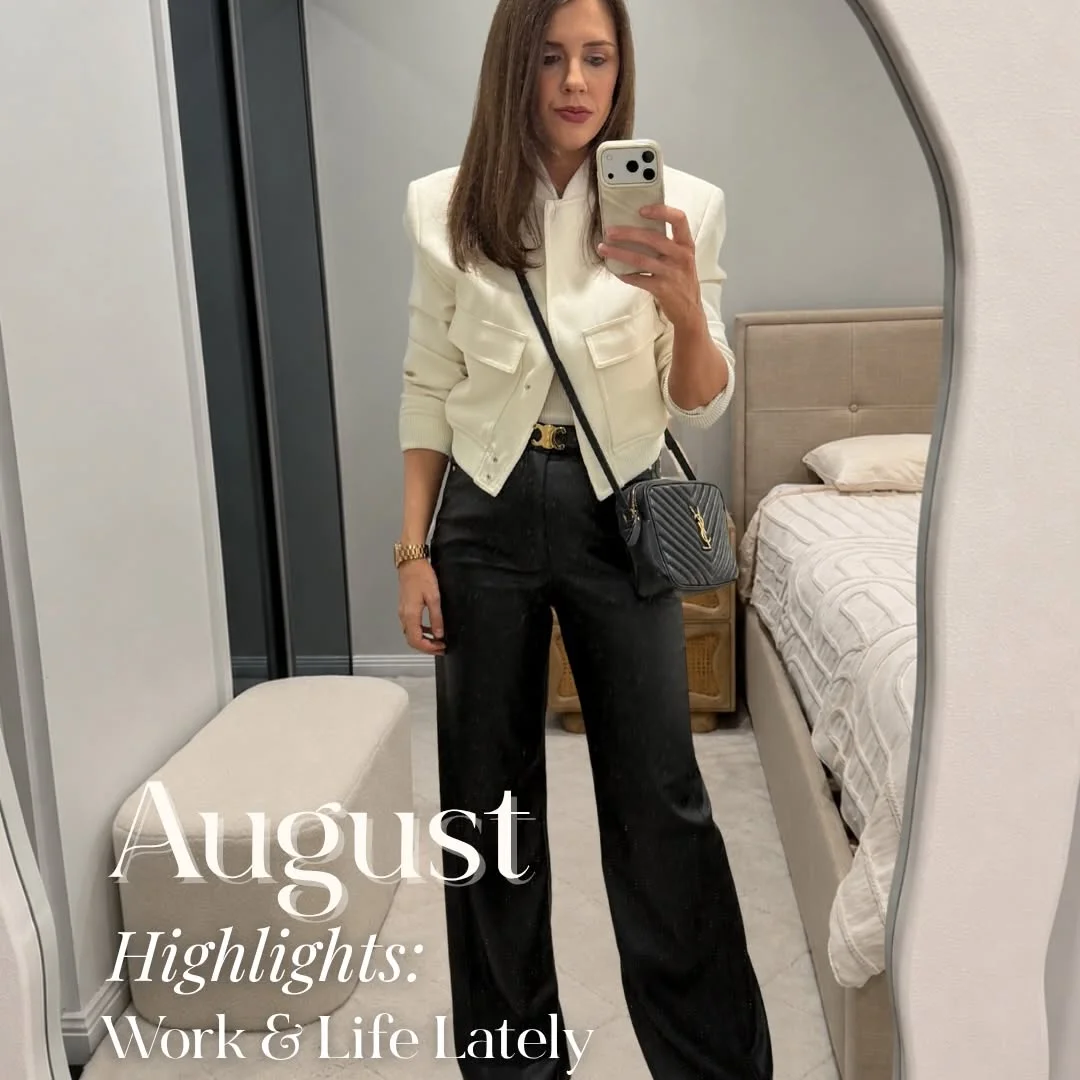
You can absolutely wear a feminine outfit, just make sure you're adding some structural elements to balance it out. If you've got a beautiful feminine dress, add a blazer and some pointed heels or boots so it doesn't read as too soft overall. If you're wearing a feminine blouse, throw a blazer over the top with a work pant and some flats or loafers.
What If You Don't Want to Wear a Blazer?
Not everyone wants to, and that's completely fine. If you're ditching the blazer, then you really have to think about what you're wearing underneath, because that piece is doing all the work now.
Things that still convey authority without a blazer:
- A V-neck long-sleeve or short-sleeve top styled with a tailored trouser, pencil skirt, or A-line skirt
- A collared shirt, which really does exude professionalism. If a structured cotton shirt feels too stiff for your body shape, look for something in a crepe or silk fabric so it drapes more softly. Style it with a tailored trouser and a belt, tucked in, or with a pencil or A-line skirt
The Role of Colour: It's Sending a Message Whether You Realise It or Not
This is something people overlook a lot. The colour you wear to a board meeting is communicating something before you open your mouth.
A bright red blazer, for example, is bold. A soft green can portray a comforting and peaceful effect.
Navy and black are conservative. They draw attention away from you, which is fine if that's the intention, but if you're someone who wants to be noticed, remembered, and taken seriously in the room, those safe neutrals might be needing a change up from your usual go-to.
If you want to be a bit more spontaneous and show some personality, try a statement-coloured blazer in a colour that feels like 'you', as well as what suits you. Whether that's green, blue, burgundy or something else, and either tonally style that colour or pair it back with some neutrals to keep the rest of the look toned down.
How to Elevate What You Already Wear
The aim is simply to be more professionally dressed than you normally would be. If that's the only thing you take away from this, let it be that.
However you dress in the office day-to-day, change up at least one or two pieces to make it more polished for a board meeting.
For example:
- If you usually wear a t-shirt with a trouser, a belt, and loafers, swap the t-shirt for a dressier top like a collared button-up shirt. Or keep the trousers and loafers but elevate with some heels
- If you usually wear a t-shirt, cardigan, jeans, and boots, swap the jeans for a work trouser and the cardigan for a blazer
It doesn't have to be a complete overhaul. One or two deliberate swaps is often all it takes.
The Real Question Underneath All of This
The aim here isn't just to think about what you 'should' wear. It's to think about how you want to come across to your team members and your clients in your workspace as well as how you want to feel.
That's a question we don't ask ourselves enough. Not just who am I as a person, but who am I in my workspace? How am I coming across? Does my outfit actually match who I am right now, or is it fitting the old version of me from 10 or 20 years ago, and I really need to step up my game?
When you start having that dialogue with yourself about how you want to show up and how you want to feel on a day-to-day basis, I guarantee you'll start making different choices about what you wear. Not because someone told you to, but because it finally feels aligned.
Frequently Asked Questions
A blazer that fits you properly at the shoulder and waist and is the right length for your proportions, paired with a tailored trouser or pencil skirt, is one of the most reliable formulas. If you don't want to wear a blazer, a collared shirt or V-neck top styled with structured trousers still conveys authority. The most important factor is fit: nothing undermines a professional look faster than clothing that doesn't fit well.
Absolutely. A feminine dress can work well in a board meeting as long as you're adding some structural elements: a blazer over the top, pointed flats or heels, and keeping the print minimal or absent. The aim is not to eliminate femininity but to balance it with something that reads as professional or polished.
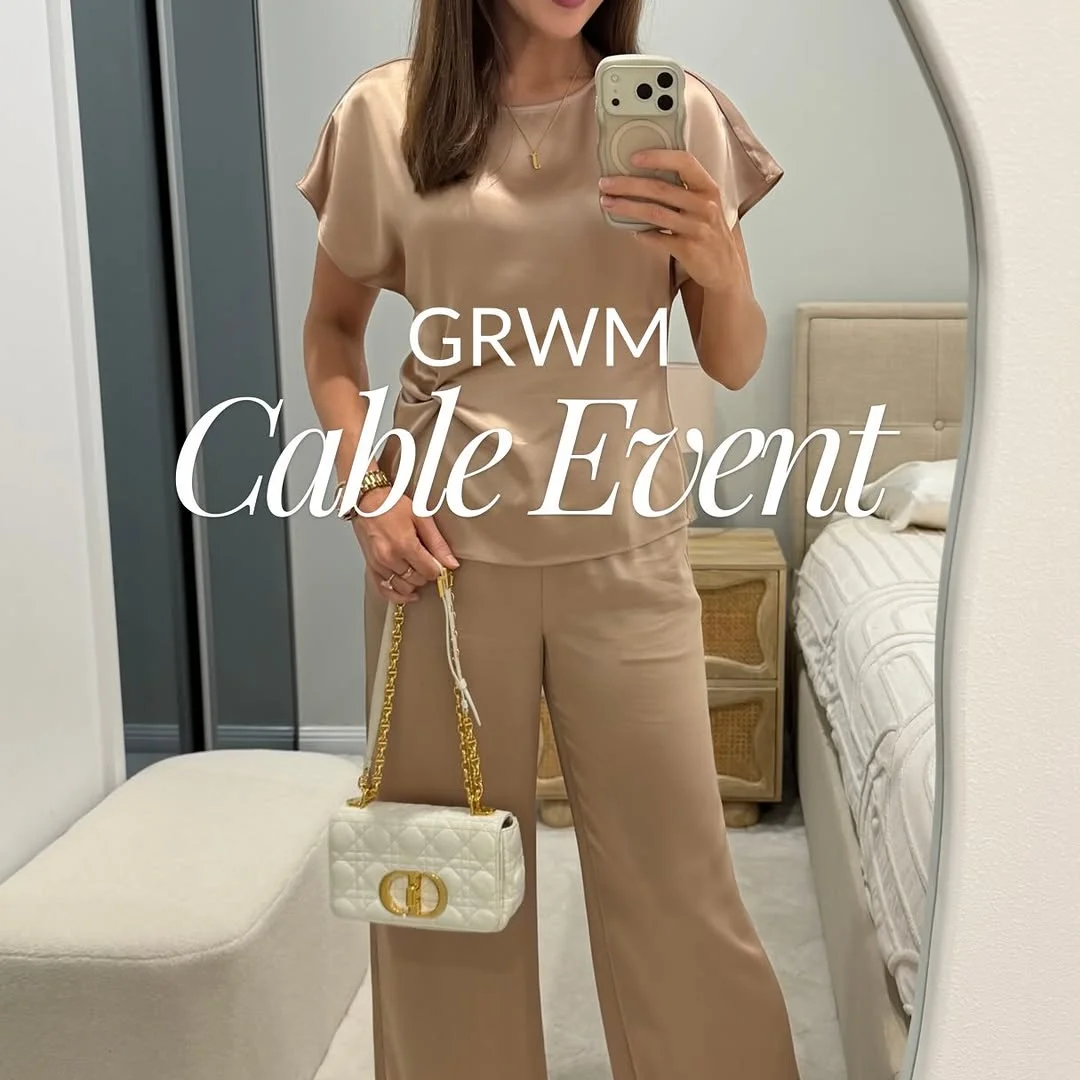
It depends on how you want to be perceived. Navy and black are conservative and tend to draw attention away from you. If you want to be noticed and remembered, consider an accent colour or another neutral like oatmeal, tan, chocolate or camel, which reads as warm, put-together, and easy to look at. As long as the colours work well on your complexion. A statement blazer paired with neutral pieces is a great way to show personality while keeping the overall look sharp.
No. A blazer is one of the most effective tools, but it's not the only option. A well-fitted cotton or silk shirt, or a dressy blouse with tailored trousers, or a dress with some structural styling can all read as authoritative. The principle is the same whatever you wear: structure, good fit, and reads professional.
You don't necessarily need a whole new outfit. Swap one or two pieces: change a casual top for a collared shirt, swap jeans for a tailored trouser, add a blazer instead of a cardigan. The goal is to be noticeably more polished than your everyday look, not completely different.
More than most people expect. When you're not thinking about your outfit, not adjusting it, not second-guessing it, your full attention is on the room. Dressing with intention also has a subliminal effect on how settled and self-assured you feel walking in. The right outfit doesn't just affect how others perceive you, it affects how you carry yourself.